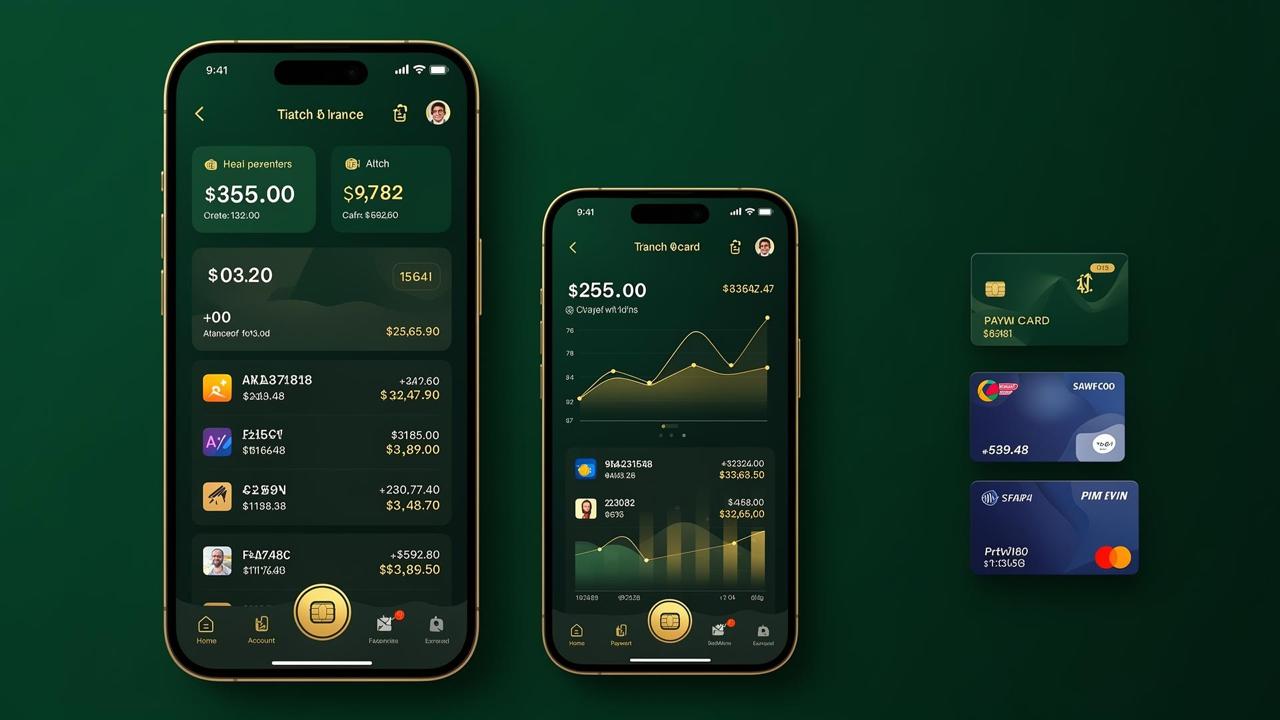
MVP & venture builds
- Problem validation & user research
- Scoped MVP with north-star metrics
- Investor-ready demos & traction data
We embed senior product engineers, designers, and tech leads who own discovery through launch — not a revolving door of contractors. From zero-to-one MVPs to scaling products that need roadmap discipline, with weekly demos and metrics that matter to the business. You get one accountable pod, transparent progress, and people who've launched products at scale before.
74% of product launches miss their first revenue target when discovery, design, and engineering live in separate silos — with handoffs that lose context, timelines that slip at every boundary, and no one accountable for the outcome.
We've seen the pattern: agencies that deliver beautiful Figma files but no working code, dev shops that build features no user asked for, founders who burn runway on scope creep because no one challenged the roadmap, and MVPs that launch without analytics so you can't tell if anyone actually uses them. The cost isn't just the invoice — it's missed market windows, investor confidence, and teams that stop trusting external partners.
Eight practice areas — each with defined deliverables, technology tags, and deep links where a dedicated spoke exists.
Tabbed by category — proven stacks for speed-to-market without cutting corners on scale or maintainability.
Each principle addresses a known product failure mode — the difference between a serious product partner and a feature factory.
Failure mode: rotating contractors with no product context. Your pod has a named tech lead who owns discovery through launch — the same person your stakeholders talk to every week.
Failure mode: shipping features no one measures. We define north-star metrics and activation funnels in discovery — so every sprint moves a number, not just a checkbox.
Failure mode: MVP scope creep that delays launch indefinitely. We draw hard v1 boundaries in discovery and defend them — you'd rather launch lean and learn than ship late and perfect.
Failure mode: jargon-heavy status reports that hide problems. Weekly demos in plain language, honest trade-off discussions, and transparent burn-rate tracking — whether you're technical or not.
A senior product engineer — not a salesperson — reviews your concept and returns a scoped roadmap within one business day.
Sector-specific product patterns and go-to-market contexts — not generic MVPs. See all industries →
Same senior product bar across every model — pick the shape that matches your stage and runway.
Ideal for zero-to-one builds — discovery, MVP, and launch as defined phases with fixed pricing per milestone. Most venture and startup products start here.
Scope an MVP build →A cross-functional team — product, design, engineering — embedded in your repos and ceremonies. Monthly retainer with sprint-level scope reviews. Most post-launch clients stay here.
Explore dedicated pods →A senior product engineer or tech lead who acts as your technical co-founder — architecture, hiring, roadmap, and hands-on build. Ideal for non-technical founders who need a trusted technical partner.
Explore fractional leadership →Industry · Challenge · Solution · Outcome. See all work →
Challenge: Non-technical founders needed a full product pod to go from concept to live neobank with KYC and payments.
Outcome: MVP to App Store in 12 weeks; 40k+ MAU; 99.9% API uptime.
Read case study →Challenge: Build a multi-tenant SaaS from scratch with embedded dashboards and enterprise rollout capability.
Outcome: Enterprise rollout in 6 months; P95 load under 2 seconds; SOC 2 ready.
Read case study →Challenge: Scale a test-prep product to 50k+ concurrent learners with live video and regional content.
Outcome: 3× completion rate; 14 regional languages; 50k+ concurrent users.
Read case study →Not generic agency claims. Differentiators that matter when you're evaluating a product build partner.
MVPs, SaaS platforms, marketplaces, and mobile products across FinTech, HealthTech, EdTech, and logistics — with measurable outcomes we've owned end-to-end.
One pod owns discovery, UX, full-stack build, and launch — no handoffs between a design agency and a dev shop. Context stays intact from sprint one.
Every sprint ends with a demo of working features in staging — not slide decks or Figma-only updates. Stakeholders and investors validate progress on real software.
Enterprise-grade security and compliance patterns built into products that need them — so you're not rebuilding for audit after your first enterprise deal.
A cadence built for product teams — visible progress every week, no vanity deliverables.
Problem framing, user research, competitive analysis, and business model validation. Exit with north-star metrics, a prioritized backlog, and honest v1 scope boundaries.
UX flows, wireframes, clickable prototypes, and technical architecture. Stakeholders and early users validate before engineering spend starts.
Stack selection, data model, API contracts, analytics plan, and CI/CD setup. ADRs document every major decision with rollback paths.
Two-week sprints with weekly demos of working features in staging. Your investors and stakeholders see real progress — not percentage-complete reports.
Beta users, usability tests, performance tuning, and metric checks against activation targets. Quality and product-market signal before loud marketing.
Production release, monitoring, analytics live, and launch coordination. Runbooks, team training, and support playbooks for your internal team.
Iterate on retention, revenue, and usage data with the same pod. Roadmap execution, performance tuning, and optional handover to your in-house team.
Product buyers and investors evaluate IP ownership and security posture before they evaluate hourly rates. We address both upfront — not at term sheet negotiation.
IP ownership & NDAs: All code, designs, and product assets live in your repositories and accounts from day one. Standard mutual NDA before any technical deep-dive. Upon full payment, we assign all rights in bespoke work product created for you — critical for investor due diligence.
MVPs, timelines, founder support, and ownership — the decision-stage questions your team will ask.
Product engineering is the integrated practice of taking a product from idea to market-ready software — combining product discovery, UX design, full-stack engineering, and go-to-market support in one accountable team. Unlike traditional software outsourcing that executes a fixed spec, product engineering owns the "what" and "why" alongside the "how."
A product engineering pod typically includes a tech lead, full-stack engineers, a UX designer, and QA — working in two-week sprints with weekly demos of working software. The pod handles discovery, prototyping, build, beta validation, launch, and post-launch iteration.
Product engineering is most valuable for startups, ventures, and product teams building greenfield products or major new product lines — where discovery, speed-to-market, and iteration speed matter more than executing a pre-defined specification.
Use product engineering when you need an integrated team to own outcomes, not just deliverables. The clearest signals:
Use custom software development instead when you have a well-defined spec for an established business workflow and don't need product discovery or UX design as part of the engagement.
Founders, product leaders, and investors look for different signals. A strong provider addresses all three.
Product engineering costs depend on scope, platform count, design depth, and team composition — not hourly rates alone.
After 120+ product launches, these are the failure patterns we see most often.
Share your product idea and stage — a senior product engineer replies within one business day. No sales handoff, no pitch deck.