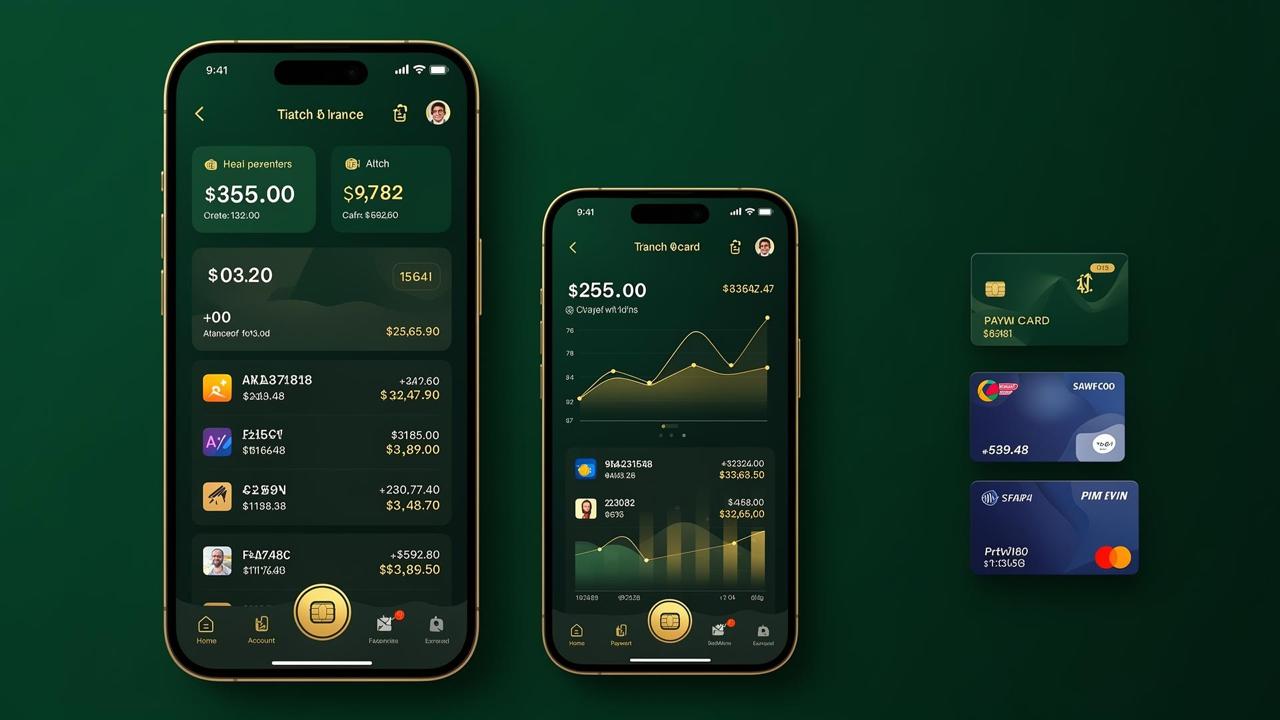
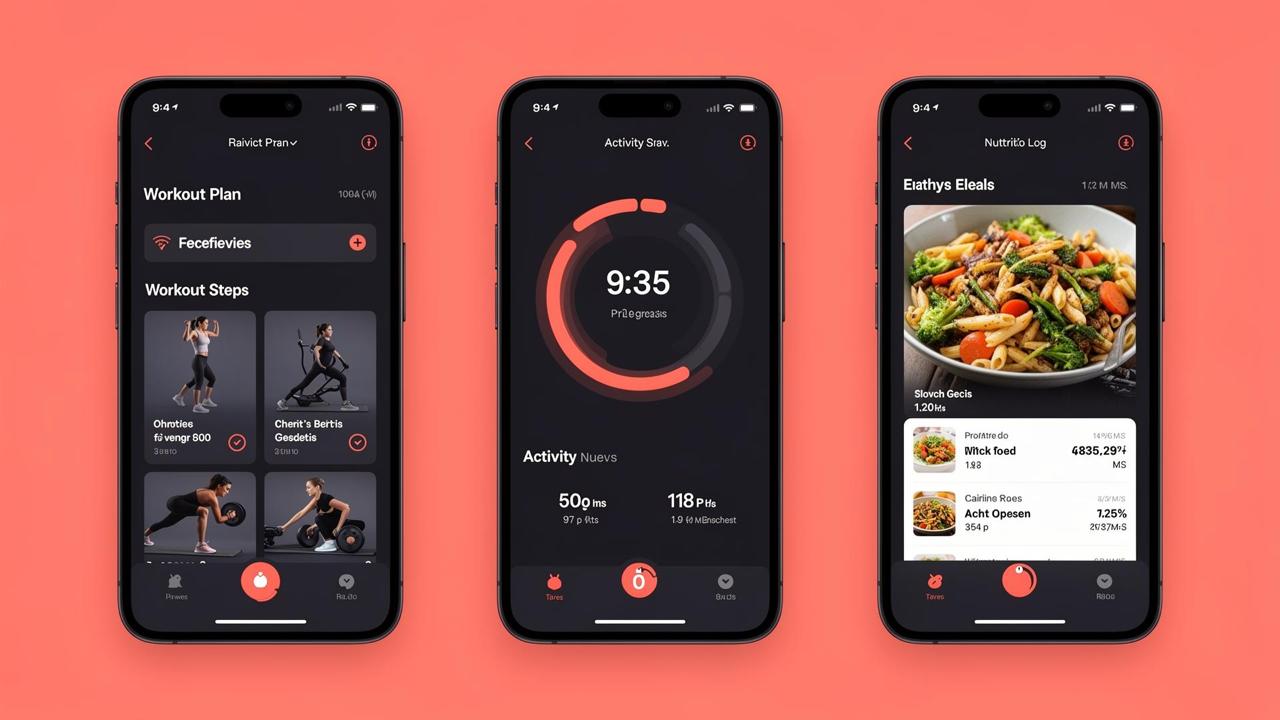
Native iOS applications
- Swift & SwiftUI with platform-native feel
- HealthKit, Apple Pay & widget integrations
- App Store submission & review management
We design and ship native iOS, Android, and cross-platform apps with senior mobile engineers — not template shops. From MVP to apps handling millions of sessions, with performance, accessibility, and App Store compliance built in from sprint one. You get weekly TestFlight builds, honest platform recommendations, and engineers who've shipped top-chart apps before.
65% of mobile projects overrun or underdeliver when teams treat apps like responsive websites — skipping offline patterns, ignoring platform guidelines, and shipping to stores without a real device testing matrix.
We've inherited the aftermath: 2-star apps with crash rates above 5%, React Native codebases that feel nothing like native, App Store rejections on privacy manifests, and B2B field tools that break the moment connectivity drops. The cost isn't just the build invoice — it's churn, negative reviews, and product teams that stop trusting mobile as a channel.
Eight practice areas — each with defined deliverables, technology tags, and deep links where a dedicated spoke exists.
Tabbed by category — not a framework religion. We pick native vs. cross-platform based on UX requirements, timeline, and your team's skills.
Each principle addresses a known mobile project failure mode — the difference between a serious mobile partner and a template shop.
Failure mode: slide decks instead of software. Every sprint ends with a TestFlight or internal build your stakeholders can install on real devices — not screenshots in a Figma file.
Failure mode: pushing React Native because it's cheaper to staff. We recommend Swift/Kotlin when platform-native feel is critical, and cross-platform when speed-to-market and shared logic win.
Failure mode: apps that break without connectivity. Sync patterns, local storage, and graceful degradation are designed in from sprint one — not patched after field users complain.
Failure mode: App Store rejection on launch week. Privacy manifests, accessibility, and review guidelines are parallel workstreams — not a scramble after the first rejection.
A senior mobile engineer — not a salesperson — reviews your brief and returns a platform recommendation within one business day.
Sector-specific UX patterns and compliance contexts — not generic app templates. See all industries →
Same senior mobile bar across every model — pick the shape that matches your product stage and internal capacity.
Ideal when you have a scoped MVP or v1 feature set — discovery, build, and App Store launch as defined milestones with fixed pricing per phase. Most mobile projects start here.
Scope a fixed build →A cross-functional mobile team embedded in your repos and ceremonies — for apps that need continuous iteration after launch. Monthly retainer with sprint-level scope reviews.
Explore dedicated pods →Pre-vetted senior iOS, Android, or React Native engineers who join your team, codebase, and rituals — when you need specific mobile skills fast without a full pod.
Augment your team →Industry · Challenge · Solution · Outcome. See all work →
Challenge: Launch a neobank-style iOS and Android app with KYC, live portfolios, and PCI-aware payments.
Outcome: MVP to App Store in 12 weeks; 99.9% API uptime; 40k+ MAU.
Read case study →Challenge: Consumer, restaurant, and driver apps with real-time order tracking and peak-traffic resilience.
Outcome: 10x traffic headroom; 99.95% uptime during launch week.
Read case study →Challenge: React Native app with Apple Health, Garmin sync, and HIPAA-aware data handling.
Outcome: v1 in 10 weeks; 4.8★ App Store rating; 65% 30-day retention.
Read case study →Not generic agency claims. Differentiators that matter when you're evaluating a mobile development partner.
TestFlight and internal builds every sprint — not Figma prototypes. Stakeholders validate features on real devices before they hit the App Store.
Swift, Kotlin, React Native, and Flutter — we recommend based on your UX requirements and timeline, not what our bench happens to know.
We build the app and the APIs it depends on — GraphQL, REST, Firebase, offline sync — so you're not coordinating between a mobile shop and a separate backend vendor.
Secure auth, encrypted storage, privacy manifests, and HIPAA/PCI patterns for regulated mobile apps — built in from sprint one, not bolted on before audit.
A cadence built for mobile work — installable builds every week, no black-box sprints.
Map users, platforms, integrations, and store requirements. Native vs. cross-platform recommendation with honest trade-offs. Exit with a scoped backlog and release plan.
User flows, design system, and clickable prototypes validated before build. Offline, auth, and navigation patterns established early so UI scales without rework.
Mobile architecture, state management, sync strategy, and API contracts documented before sprint one. ADRs for every major technical decision.
Two-week sprints with installable TestFlight and internal builds demoed every week. Your stakeholders test on real devices — not percentage-complete reports.
Automated tests, device matrix coverage, performance profiling, and accessibility review. Beta feedback incorporated before store submission.
App Store and Play Store metadata, screenshots, privacy manifests, and review responses. Staged rollouts with crash monitoring from minute one.
Ship updates from analytics, user feedback, and crash data. Optional retainer for ongoing feature work, performance tuning, and OS compatibility updates.
Mobile app buyers evaluate security, privacy, and code ownership before they evaluate hourly rates. We address both upfront — not at contract negotiation.
Code ownership & NDAs: All app source code, design assets, and store accounts live in your repositories and developer accounts from day one. Standard mutual NDA before any technical deep-dive. Upon full payment, we assign all rights in bespoke work product created for you.
Platforms, timelines, store submission, and ownership — the decision-stage questions your product team will ask.
Mobile app development is the process of designing, building, testing, and launching applications for smartphones and tablets — primarily iOS (Apple) and Android (Google) platforms. It spans product discovery, UX design, native or cross-platform engineering, backend API integration, quality assurance, and App Store / Play Store submission.
Unlike responsive web apps, native mobile applications leverage device capabilities — cameras, GPS, push notifications, biometric authentication, offline storage, and platform-specific UI patterns — to deliver experiences that feel fast and intentional on small screens.
Modern mobile development typically involves choosing between native (Swift/Kotlin), cross-platform (React Native/Flutter), or hybrid approaches — each with trade-offs in performance, development speed, and platform fidelity. The right choice depends on your UX requirements, team skills, timeline, and budget.
Build a mobile app when your users need persistent, device-integrated experiences that a mobile website can't deliver. The clearest signals:
Don't build a mobile app when a responsive web app or PWA covers your needs — especially for internal tools with desktop-primary users or content-heavy products without device-specific features.
Product leaders and engineering evaluators look for different signals. A strong mobile partner addresses both.
Mobile app costs depend on platform count, feature complexity, design depth, and backend requirements — not hourly rates alone.
After shipping mobile apps across FinTech, HealthTech, logistics, and consumer categories, these are the failure patterns we see most often.
Share your app idea and target platforms — a senior mobile engineer replies within one business day. No sales handoff, no pitch deck.